
Introduction: Why Soil Health Is Critical to Our Food Future
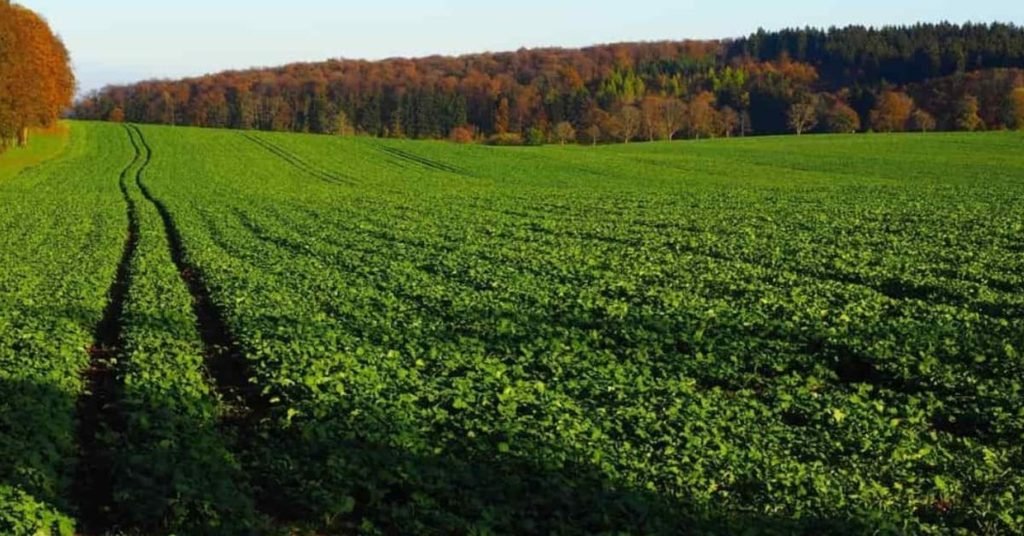
When people think about food security, they often think about farmers, crops, water, markets, and food prices. Yet beneath all of these systems is one resource that is easy to overlook: soil.
Soil is much more than dirt beneath our feet. It is a living system containing minerals, organic matter, water, air, microorganisms, fungi, insects, and plant roots. Healthy soil supports plant growth, stores and supplies water, cycles nutrients, helps regulate carbon, and provides habitats for a huge range of organisms. The Food and Agriculture Organization of the United Nations (FAO) describes soil as a fundamental resource for food production and many ecosystem services.
The connection between soil and food security is enormous. FAO notes that more than 95 percent of the world’s food is produced on land, with soil playing a central role by supplying nutrients, storing water, and supporting plant growth.
At the same time, soils are under pressure from erosion, nutrient depletion, salinity, pollution, intensive land use, deforestation, and climate-related stresses. FAO has reported that human-induced degradation affects a substantial share of agricultural land, while soil degradation can reduce the productive capacity of farming systems.This makes soil health a long-term food-security issue. Protecting soil is not simply about helping today’s harvest. It is about preserving the ability of future generations to produce nutritious food.
What Is Soil Health?
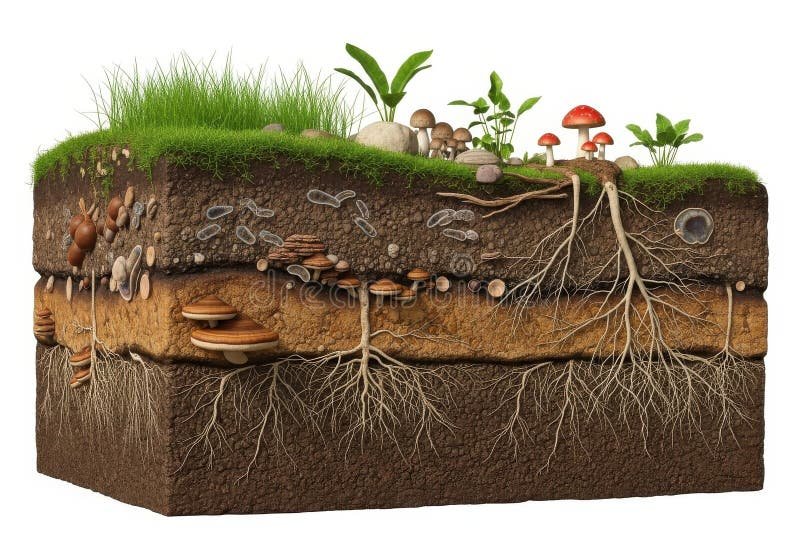
Soil health describes how well soil can perform the functions needed to support plants, animals, people, and the wider environment.
FAO describes soil health as the ability of soil to sustain the productivity, diversity, and environmental services of terrestrial ecosystems. Soil health depends on the interaction of physical, chemical, and biological properties.
Physical health
Physical properties determine how soil behaves as a growing environment. Important factors include:
- soil structure
- water infiltration
- water-holding capacity
- soil depth
- porosity
- resistance to compaction
- stability against erosion
Well-structured soil allows plant roots to grow and enables water and air to move through the soil.
Chemical health
Chemical properties determine whether plants can obtain the nutrients they need. They include:
- nutrient availability
- soil pH
- salinity
- organic carbon
- nutrient retention
- possible toxic substances
A soil can contain nutrients but still fail to support strong plant growth when nutrients are unavailable or when problems such as excessive salinity or contamination interfere with plant development.
Biological health
Healthy soil is also a biological community. Bacteria, fungi, earthworms, insects, and other organisms break down organic material, cycle nutrients, interact with roots, and contribute to soil structure.
Soil biodiversity is therefore not an optional extra. FAO explains that organisms living in soil support nutrient cycling, plant growth, water filtration, carbon storage, and other ecosystem functions.A healthy soil system brings these physical, chemical, and biological functions together rather than treating them as separate problems.
How Healthy Soil Supports Food Production
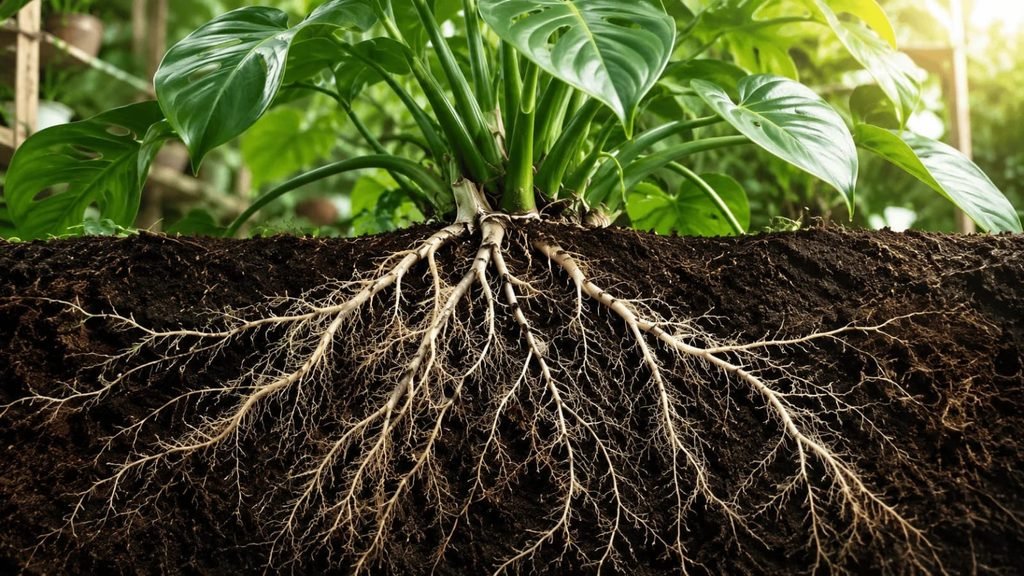
Every crop depends on soil in different ways. Roots need a suitable environment to obtain water, oxygen, and nutrients, while the soil must provide enough stability for plants to grow.Healthy soil supports food production through several important functions.
Nutrient supply: Plants require nutrients such as nitrogen, phosphorus, potassium, calcium, magnesium, and sulfur. Soil organisms and organic matter help make nutrients available to plants and contribute to nutrient cycling.
Good soil management can therefore reduce nutrient losses and improve the efficiency with which available nutrients are used.
Water storage and availability: Healthy soils can absorb and retain water while allowing excess water to drain. This matters during both droughts and heavy rainfall.Soils with better structure and organic matter can improve infiltration and water retention, helping crops access moisture between rainfall or irrigation events. USDA’s Natural Resources Conservation Service identifies water infiltration, water-holding capacity, and soil structure as important soil-health indicators.
Root development: Plant roots need enough space, oxygen, moisture, and suitable soil structure to develop properly. Compacted soil can restrict root growth and reduce water movement.
Soil organisms and nutrient cycling: Microorganisms help decompose plant residues and organic matter. This releases nutrients and supports biological processes that keep soils functioning.
Protection against erosion: Healthy soil structure and plant cover can reduce the amount of soil carried away by wind and water.
Soil erosion is especially serious because soil formation is extremely slow compared with the rate at which productive topsoil can be lost. Research published in Nature Sustainability has described erosion as a major threat to food security and noted that human-managed landscapes can experience erosion rates far above natural soil formation rates.
The Connection Between Soil Health and Global Food Security
Food security is not simply about producing more food. FAO identifies four major dimensions of food security:
availability, access, utilization, and stability.
Soil health influences these dimensions in several ways.
Food availability: Healthy soils help farmers maintain crop production. When soil fertility declines, water becomes harder to manage, or erosion removes productive topsoil, agricultural output can become more difficult to sustain.
Food access: Farm productivity affects farm income and rural livelihoods. When land becomes less productive, farmers may face higher input costs or lower returns, making it harder for households to access sufficient food.
Food utilization: Soil health is also connected to the safety and nutritional quality of food systems. Soil contamination can introduce harmful substances into agricultural systems and can affect food, water, and ecosystems. FAO and UNEP identify soil pollution as a major environmental and food-security concern.
Stability: Perhaps the most important connection is stability. Food systems must continue functioning despite droughts, floods, changing rainfall, market disruptions, and other shocks.
Soils with better structure, water-holding capacity, organic matter, and biological activity can provide greater resilience to some environmental stresses. USDA soil-health guidance notes that functioning soils can retain more water and be less susceptible to runoff and erosion.
This means soil health is not an isolated agricultural issue. It is part of the foundation of stable food systems.
Major Threats to Soil Health Around the World

Soil degradation does not have a single cause. Different regions face different combinations of pressures.
Soil erosion: Wind and water can remove fertile topsoil when fields are left exposed or poorly managed. Intensive tillage, loss of vegetation, steep slopes, and heavy rainfall can increase the risk.
Nutrient depletion: Repeated farming without replacing nutrients removed by crops can gradually reduce soil fertility. This is especially important in regions where farmers have limited access to appropriate fertilizers, organic inputs, or soil testing.
Soil salinity: Salinity occurs when excessive salts accumulate in soil to levels that harm crops. It can be associated with natural conditions, irrigation practices, poor drainage, and climate-related pressures.
FAO’s 2024 global assessment estimated that nearly 1.4 billion hectares, or just over 10 percent of global land area, are affected by salinity, with another roughly one billion hectares considered at risk under climate change and poor management scenarios.
Soil compaction: Heavy machinery, repeated traffic, and inappropriate field management can compress soil. Compaction can reduce pore space, restrict roots, and interfere with water and air movement.
Loss of organic matter: Organic matter supports soil structure, nutrient cycling, and water management. Practices that continuously remove residues or heavily disturb soil can contribute to losses of organic matter.
Pollution: Industrial activities, mining, poorly managed waste, contaminated irrigation water, and inappropriate agricultural inputs can introduce harmful substances into soils.
FAO and UNEP warn that soil pollution can affect food safety, water quality, biodiversity, and ecosystem functions.
Deforestation and land-use change: Removing vegetation can leave soil exposed to erosion and alter water and nutrient cycles. Conversion of forests and other natural ecosystems to agricultural or other uses can therefore have long-term consequences for soil and biodiversity.
Unsustainable agricultural practices: Agriculture itself is not the problem. Farming practices that ignore soil limits, however, can accelerate degradation. USDA notes that intensive tillage, monoculture, and excessive or poorly managed inputs can negatively affect soil health.
Climate Change and Soil Health: Climate change and soil health are closely connected.Higher temperatures, changing rainfall patterns, more frequent or severe droughts in some regions, intense rainfall, floods, and other extremes can place additional stress on soils and agricultural systems.Heavy rainfall can increase erosion and nutrient runoff, while drought can reduce soil moisture and biological activity. Repeated cycles of drying and intense rainfall can also make maintaining productive soil more difficult.
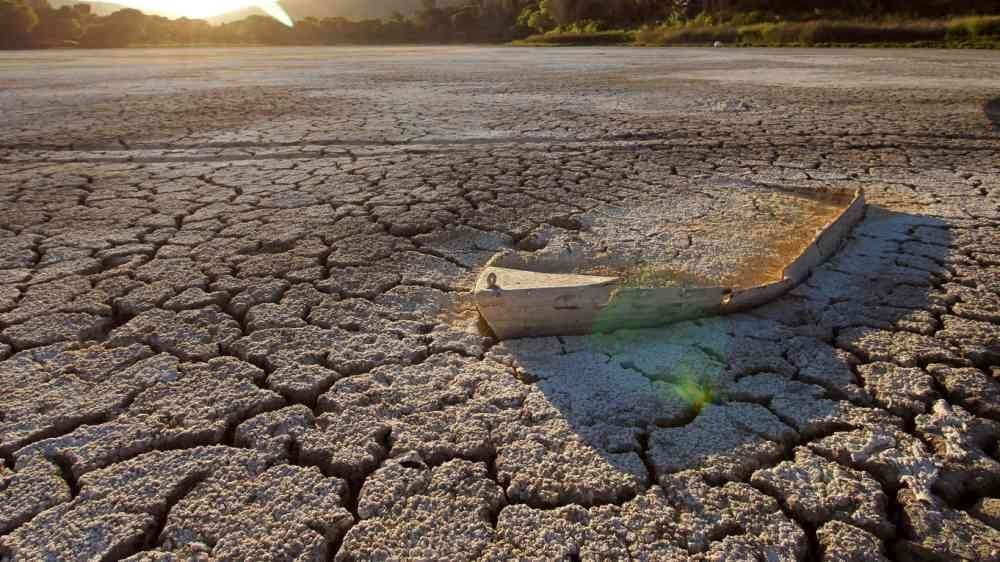
At the same time, soil is part of the global carbon cycle.
Soils contain large amounts of carbon in organic matter. Better management can help maintain or increase soil organic matter in many agricultural systems, although the amount of carbon that can actually be stored varies greatly with climate, soil type, management, and local conditions.
Practices such as keeping soil covered, reducing unnecessary disturbance, increasing plant diversity, and maintaining organic matter can improve several soil functions. USDA identifies these practices as important components of soil-health management.
Healthy soils can also help farming systems cope with climate variability by improving water infiltration and retention.
However, soil management is not a substitute for reducing greenhouse-gas emissions. It is one part of the broader response needed to address climate change and protect food systems.
How Farmers Can Protect and Restore Soil

There is no single soil-health practice that works everywhere. Farmers need approaches suited to local soils, crops, climate, water availability, markets, and resources.
- Crop rotation: Growing different crops over time can improve biological diversity, disrupt some pest cycles, and help manage nutrients.
USDA describes crop rotation as a practice that can help maintain or build soil organic matter, conserve nutrients, control pests, and protect against erosion - Cover crops: Cover crops are plants grown primarily to protect and improve the soil rather than for immediate harvest.
They can help reduce erosion, improve water infiltration, increase organic matter, and provide living roots when the main crop is not growing. - Reduced tillage: Repeated intensive tillage can disturb soil structure and accelerate erosion and organic-matter loss. Reduced tillage or no-till systems can lower soil disturbance and help keep residues on the surface.
FAO describes conservation agriculture around three principles: minimal soil disturbance, permanent soil cover, and crop diversification. - Organic matter management: Compost, crop residues, manure where appropriate, and other organic materials can contribute to soil organic matter.The correct amount and form depend on local conditions. Poorly managed organic materials can create nutrient or environmental problems, so management matters as much as the material itself.
- Mulching: Keeping plant residues or other suitable materials on the soil surface can help reduce evaporation, protect against rainfall impact, moderate soil temperature, and limit erosion.
- Agroforestry: Agroforestry combines trees with crops and/or livestock. Trees can provide shade, reduce wind speeds, support biodiversity, contribute organic material, and help stabilize landscapes.
- Integrated nutrient management: Healthy soil does not mean avoiding fertilizers altogether. Fertilizers can play an important role in producing food, particularly where nutrients are limited.
The goal is to match nutrient applications to crop requirements and local soil conditions while minimizing losses. Soil testing and balanced nutrient management can help farmers avoid both nutrient depletion and unnecessary over-application. - Efficient water management: Proper irrigation, drainage, rainwater harvesting, and water-conservation practices can reduce salinity and waterlogging risks while helping farmers use scarce water more efficiently.
The most effective approach is often a combination of practices rather than reliance on a single technique.
The Role of Technology and Modern Agriculture
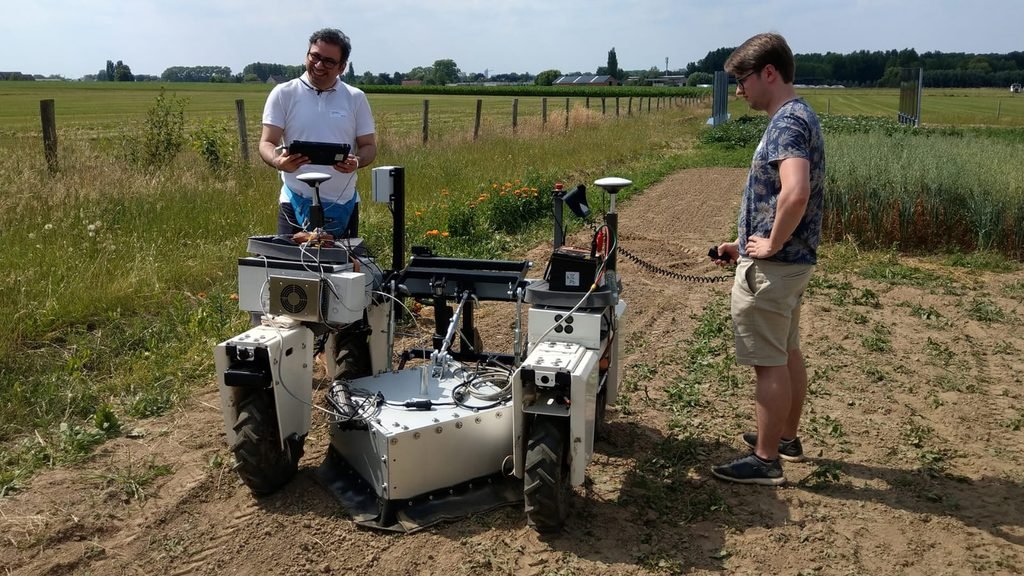
Technology can make soil management more precise, especially when it is combined with local knowledge and practical field experience.
- Soil testing: Laboratory and field tests can measure properties such as pH, nutrients, organic matter, salinity, and other indicators. This allows farmers to make better-informed decisions about fertilizers and soil amendments.
- Precision agriculture: Precision agriculture uses field data, GPS, sensors, machinery, and other technologies to manage agricultural inputs more accurately.
Instead of treating an entire field as identical, farmers can identify areas with different soil conditions and adjust inputs accordingly. - Remote sensing: Satellites and other remote-sensing tools can help monitor vegetation, moisture conditions, land degradation, and changes across large areas.
- Soil sensors: Sensors can measure variables such as soil moisture and temperature. These measurements can assist irrigation and crop-management decisions.
- Digital decision-support tools: Digital systems can combine information about weather, soil, crops, and field conditions to help farmers make better decisions.
- Technology, however, is not a replacement for sound soil-management principles. A sophisticated sensor cannot compensate for poor land management, inadequate infrastructure, or lack of access to agricultural services.
The best results come when technology supports practical knowledge rather than replacing it.
Why Soil Health Matters for Smallholder Farmers and Developing Regions
Soil degradation can have particularly serious consequences for smallholder farmers.
In many rural communities, farming provides food, income, employment, and a major source of household security. When soil productivity declines, farmers may have fewer opportunities to absorb poor harvests or rising costs.
This challenge is visible in parts of Africa, where soil nutrient depletion, erosion, drought, and limited access to agricultural inputs can interact.
CGIAR has highlighted the importance of soil health for agricultural productivity, climate resilience, and livelihoods in Africa, while also pointing to economic, institutional, and social barriers that can prevent farmers from adopting available soil-management practices.
Improving soil health therefore requires more than telling farmers which practices to use. Farmers also need access to:
- affordable inputs
- reliable agricultural advice
- soil testing
- credit and financial services where appropriate
- secure land rights
- markets
- infrastructure
- relevant research and training
Local conditions matter enormously. A practice that works well in one region may not be suitable in another.
For smallholder agriculture, successful soil restoration often depends on combining scientific knowledge with farmers’ experience and local environmental conditions.
Successful Approaches to Soil Conservation Around the World
Different regions have demonstrated that soil degradation can be addressed through locally adapted practices.
Conservation agriculture in Latin America
Brazil has played an important role in the development and adoption of conservation agriculture. No-till systems, crop rotation, crop residues, and other practices have been used to reduce erosion and improve soil and water management.
FAO documentation describes substantial reductions in soil and water losses under residue-based no-till systems in parts of Brazil and Paraguay compared with conventional tillage.
These experiences helped demonstrate that reducing soil disturbance can work at large agricultural scales when practices are adapted to local conditions.
Farmer-managed natural regeneration in Niger
In Niger, farmers have used farmer-managed natural regeneration (FMNR) to encourage the growth and management of naturally regenerating trees on agricultural land.
FAO documents describe how degraded farmland in parts of Niger was transformed through the management of naturally regenerating vegetation, creating agroforestry systems that also supported agricultural livelihoods.
The example illustrates an important principle: land restoration does not always require expensive technologies. Local knowledge and management of existing natural resources can also play a major role.
Landscape restoration in Ethiopia
Ethiopia has also invested in large-scale landscape restoration.
In 2026, the World Bank reported that Ethiopia’s Community Action for Landscape Management program had brought more than 2.56 million hectares under sustainable landscape management practices, including soil and water conservation and climate-smart agriculture. The program also linked restoration to land rights and community participation.
Such examples show that restoring land is not only an environmental issue. It can also be connected to livelihoods, land governance, rural development, and resilience.
Conservation agriculture in South Asia
Research supported through CGIAR has examined conservation agriculture systems in South Asian rice-wheat farming, including combinations of reduced tillage, crop diversification, and residue management.
In a farmer-participatory study in north-west India, a conservation-agriculture-based rice-wheat-mungbean system produced higher system yields and used less irrigation water than the conventional comparison system.
These results demonstrate why soil-health solutions should be evaluated using real farming conditions rather than assuming one practice will work identically everywhere.
What Governments, Businesses, and Communities Can Do
Farmers cannot solve the global soil challenge alone.
Governments
Governments can support soil health by:
- funding soil surveys and monitoring
- expanding agricultural extension services
- supporting research
- encouraging sustainable land management
- improving irrigation and drainage systems
- protecting vulnerable landscapes
- supporting restoration programs
- developing policies that reward long-term resource conservation
Long-term planning is important because soil restoration often takes years.
Businesses
Food companies and agricultural businesses can improve soil outcomes through responsible sourcing, better supply-chain standards, investment in sustainable farming, and support for farmers adopting conservation practices.
Companies can also help create markets that reward responsible land management rather than focusing only on short-term production.
Researchers
Researchers can develop locally appropriate practices, improve soil testing, monitor degradation, and measure which interventions produce meaningful long-term results.
Communities
Communities can support land restoration through collective watershed management, local conservation initiatives, knowledge sharing, and protection of common natural resources.
Farmers
Farmers remain central to the process because they manage the land directly. Policies and programs are most likely to succeed when farmers are involved in designing and adapting them.
The key lesson is that soil health is a shared responsibility across farms, communities, governments, researchers, and food systems.
The Future of Soil Health and Global Food Security
The future of food security will not depend only on how much land can be cultivated. It will also depend on how effectively existing agricultural land can be maintained.
FAO’s recent work on land, soil, and water emphasizes that sustainable management and restoration of these resources are fundamental to productive and resilient agrifood systems.
This is especially important as agriculture faces multiple pressures at the same time:
- changing climate conditions
- water scarcity
- land degradation
- biodiversity loss
- increasing competition for natural resources
- changing food demand
- economic pressure on farmers
A future-focused agricultural system will therefore need to produce food while protecting the resources required to produce food tomorrow.
That means measuring soil conditions, preventing erosion, maintaining organic matter, improving nutrient management, protecting soil biodiversity, using water efficiently, and restoring degraded land.Technology will contribute to this transition, but soil health will ultimately depend on management decisions made on farms and across landscapes.
The objective should not simply be to extract the maximum possible production from soil in one season. It should be to maintain productive, resilient soils over decades.
Conclusion: Protecting the Foundation of Our Food System
Soil may be beneath our feet, but its importance extends far beyond the farm.
Healthy soil supports crops, stores water, cycles nutrients, sustains biodiversity, filters pollutants, and contributes to climate and ecosystem regulation. It also supports the farmers and rural communities whose livelihoods depend on productive land.
The global food system cannot be separated from the condition of the world’s soils.Erosion, salinity, pollution, nutrient depletion, compaction, and other forms of degradation can weaken agricultural systems over time. At the same time, practical approaches such as crop rotation, cover crops, reduced tillage, organic-matter management, agroforestry, improved nutrient management, and efficient water use can help protect and restore soil when they are appropriately adapted to local conditions.
There is no single solution for every country or farming system. But the principle is universal: food security depends not only on what we grow today, but also on whether the land remains capable of supporting food production tomorrow.
Protecting soil is therefore an investment in future harvests, future livelihoods, healthy ecosystems, and a more resilient global food system.
Frequently Asked Questions
1. Why is soil health important for food security?
Healthy soil provides the physical structure, nutrients, water, and biological processes needed for crop growth. Because much of the world’s food is produced on land, declining soil health can threaten the long-term productivity and resilience of food systems.
2. What are the main signs of unhealthy soil?
Common warning signs include erosion, compaction, poor water infiltration, declining organic matter, nutrient imbalances, excessive salinity, contamination, and reduced biological activity.
3. Does healthy soil mean farmers should stop using fertilizers?
No. Fertilizers can be important for crop production. The goal is balanced and efficient nutrient management based on crop needs and soil conditions rather than unnecessary or excessive application.
4. Can soil health help farmers deal with climate change?
Healthy soils can improve water infiltration, water retention, soil structure, and resilience to some forms of drought and heavy rainfall. Soil management can therefore contribute to climate resilience, although it cannot replace wider efforts to reduce greenhouse-gas emissions.
5. How can farmers improve soil health?
Approaches can include crop rotation, cover crops, maintaining soil cover, reduced or appropriate tillage, organic-matter management, agroforestry, balanced nutrient management, erosion control, and efficient water management. The appropriate combination depends on local conditions.
6. Why is soil erosion such a serious problem?
Erosion removes soil particles, including productive topsoil. Because natural soil formation is slow, losing soil faster than it forms can reduce the long-term productive capacity of agricultural land.
7. Can degraded soil be restored?
In many cases, degraded soils can be improved through appropriate management and restoration. However, the degree and speed of recovery depend on the severity and type of degradation, climate, soil characteristics, land use, and the resources available for restoration.
References / Further Reading
- Food and Agriculture Organization of the United Nations (FAO) — Land, Soil and Water: information on the importance of soil and land resources for food systems and ecosystems: https://share.google/L2QXAXBEJbv3pdWlj
- FAO — Global Soil Health Indicators and Assessment: information on physical, chemical, and biological indicators of soil health: https://share.google/SPlN80qa0UTvu4cGn
- FAO — The State of Knowledge of Soil Biodiversity: information on soil organisms, nutrient cycling, water filtration, carbon storage, and ecosystem functions: https://share.google/SlSa59bJEOVhIUuEo
- FAO — Global Status of Salt-Affected Soils: global assessment of soil salinity and areas at risk: https://share.google/AUWH0vigky5TWA0MH
- USDA Natural Resources Conservation Service — Soil Health: guidance on soil-health principles, organic matter, cover crops, reduced disturbance, biodiversity, and soil assessment: https://share.google/XUWfdjSwf1U6yTj7J
- Nature Sustainability — Countries and the Global Rate of Soil Erosion: peer-reviewed research on soil erosion and its implications for food security: https://share.google/UBcY8Ow5KDHun3vEO
- CGIAR — Soil Health and Sustainable Agriculture Research: research and examples related to soil health, conservation agriculture, and smallholder farming: https://share.google/OHaKINMuvkXmaJGb7
- World Bank — Ethiopia’s Community Action for Landscape Management Program: recent example of large-scale landscape restoration and sustainable land management: https://share.google/87PzM2MFbvAC3wVrt

