
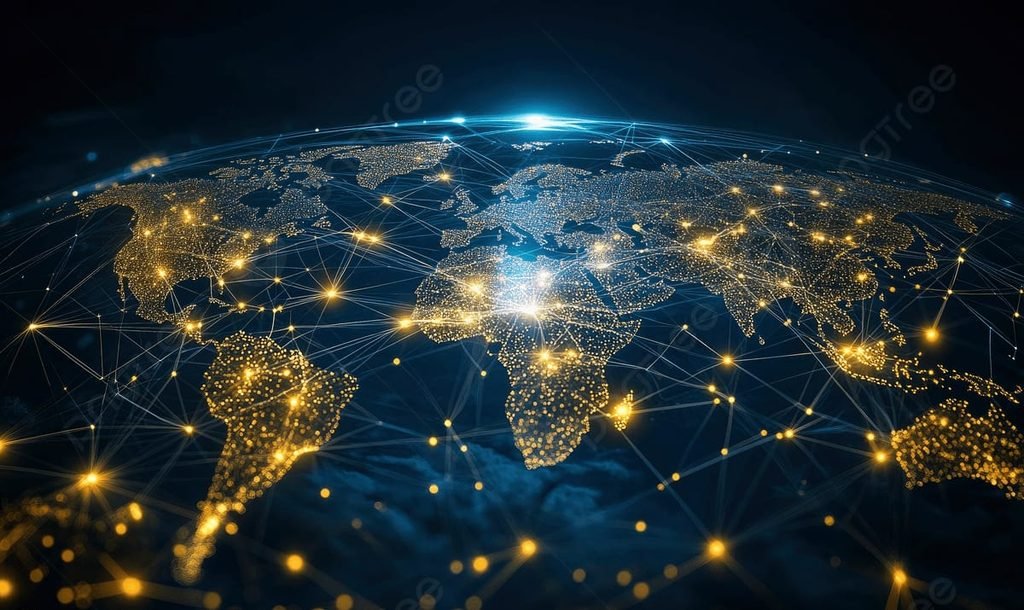
Introduction: Why Internet Access Matters in the Modern World
The internet has become an important part of everyday life. People use it to study, find jobs, run businesses, communicate with others, access government services, make payments, find health information, and stay connected with the wider world.Yet access to these opportunities is not equal everywhere.
The latest available estimates from the International Telecommunication Union (ITU) show that about 6 billion people, or 74% of the world’s population, were using the internet in 2025. That still left around 2.2 billion people offline. Internet use was close to universal in high-income countries, at 94%, but only 23% of people in low-income countries were using the internet.This difference is known as the digital divide.
The digital divide is not simply a gap between people who have internet and people who do not. A person may technically have internet access but still face slow speeds, high prices, an unsuitable device, limited digital skills, or an unreliable connection.Understanding these differences is important because internet access increasingly affects education, employment, business opportunities, communication, and access to information.
What Is the Digital Divide?
The digital divide is the gap between people and communities that can access and use digital technologies effectively and those that cannot.
The divide has several different dimensions.
- Availability means whether an internet network exists in the first place.
- Quality refers to whether the connection is fast, stable, and reliable enough for modern activities.
- Affordability means whether people can realistically afford the service and the devices required to use it.
- Devices matter because having a network nearby is not enough if someone cannot afford a smartphone, computer, or other suitable equipment.
- Digital skills determine whether people know how to use online services effectively and safely.
- Security is also important because meaningful connectivity requires people to be able to use digital services without unreasonable exposure to fraud, scams, or other online risks.
- The ITU’s framework for universal and meaningful connectivity identifies six closely connected areas: quality, availability, affordability, devices, skills, and security.
- This means that digital inequality can appear in different forms.
- Someone with no connection cannot access the internet at all.
- Someone with a poor connection may technically be online but struggle with slow speeds, interruptions, or limited data.
- Someone with limited meaningful access may have an internet connection but still be unable to take full advantage of it because of cost, devices, skills, or other barriers.
The Global State of Internet Access
Global connectivity has improved significantly over the past decade.
In 2025, around 6 billion people were estimated to be online, compared with about 60% of the world’s population in 2020. However, approximately 2.2 billion people were still offline.The global average hides major differences between countries and regions.
High-income countries had internet use of about 94% in 2025, while low-income countries had internet use of only 23%. In other words, economic conditions remain closely connected with digital access.
Mobile broadband coverage is much wider than actual internet use. ITU reported that more than 96% of the world’s population was covered by a mobile broadband network in 2025. Yet many people still did not use the internet because of affordability, device limitations, skills, quality, or other barriers.This distinction is important: network coverage does not automatically mean meaningful internet access.
Why Some Parts of the World Still Lack Reliable Internet
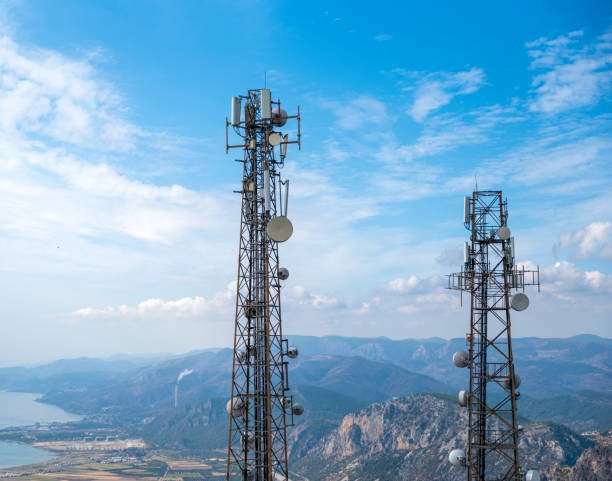
There is no single reason why some communities remain poorly connected.
- One major issue is infrastructure. Building fiber networks, mobile towers, power systems, and other equipment can be expensive, especially in remote locations.
- Geography can make the challenge even harder. Mountains, deserts, forests, islands, and sparsely populated areas may require more infrastructure to connect relatively small numbers of people.
- Low incomes can also limit both network investment and household demand. Even when a network is available, a family may have to choose between internet service and other essential expenses.
- Another problem is the lack of reliable electricity. Telecommunications networks and digital devices depend on power, so electricity shortages can also limit connectivity.
- There can also be differences in competition, investment, regulations, technical capacity, and political or economic stability.
- For this reason, the digital divide should not be understood as a simple technological problem. It is also connected to economics, infrastructure, education, geography, and public policy.
The Cost of Internet Access and Digital Devices
Having a network nearby does not necessarily mean that people can afford to use it.Internet access may require spending money on mobile data, fixed broadband, a smartphone or computer, a router, electricity, and repairs.
Affordability remains an important global barrier. ITU’s 2025 analysis found that internet prices have fallen substantially over the longer term, but major affordability gaps remain, especially in lower-income economies. In nine out of ten low-income economies, a 5 GB mobile broadband basket in 2025 cost more than 10% of average monthly income.
This helps explain why two communities with similar network coverage can have very different levels of actual internet use.A connection is meaningful only when people can afford to use it regularly.
The Urban-Rural Digital Divide

Where people live also affects their access to the internet.
In cities, networks can serve large numbers of people within a relatively small area. This can make infrastructure investment more commercially attractive.
Rural areas are often different. Homes and communities may be spread across large distances, which makes network construction and maintenance more expensive.
ITU’s 2025 data showed that 85% of urban residents worldwide used the internet, compared with 58% of rural residents. The gap is particularly severe in low-income countries, where only 14% of rural residents were online.
The rural-urban gap also affects more than connectivity. People in poorly connected rural communities may have fewer opportunities to access online education, digital markets, telehealth information, government services, and remote employment.
Infrastructure: Why Building Internet Networks Can Be Difficult
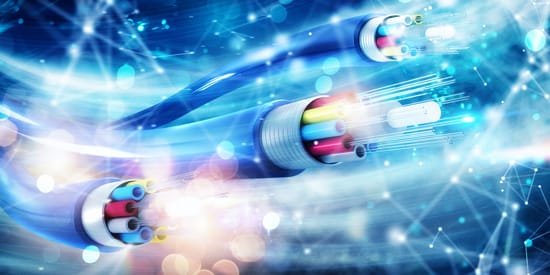
Reliable internet depends on a large physical infrastructure that users rarely see.
This includes:
- Fiber-optic networks that carry huge amounts of data at high speeds.
- Mobile towers that provide wireless connections to phones and other devices.
- Wireless networks that can connect homes and communities where laying cables is difficult.
- Satellites that can provide connectivity to remote or geographically difficult locations.
- Data centers that store and process digital information.
- Submarine cables that connect continents.
Submarine cables are especially important. ITU reports that they carry more than 99% of international data flows and form a central part of the global internet backbone.
These cables can be affected by accidental human activity, natural hazards, aging infrastructure, and other risks. In July 2026, an ITU advisory body approved recommendations aimed at improving submarine cable resilience.The physical internet is therefore much larger and more complicated than the websites and apps people see on their phones.

The Digital Skills Gap
Internet access alone does not guarantee meaningful participation in the digital world.People also need the skills to use technology effectively.
Digital skills can include:
- Searching for reliable information
- Using online government or financial services
- Communicating online
- Creating digital content
- Using workplace software
- Protecting accounts and personal information
- Recognizing scams and misleading information
These skills can vary according to age, education, income, location, and other circumstances.
ITU’s 2025 research found significant differences in digital skills, particularly in areas such as problem solving and digital content creation. Educational attainment is one of the strongest predictors of digital skills among internet users.This creates another layer of the digital divide: two people may both have internet access but gain very different benefits from it because they have different levels of digital knowledge.
How the Digital Divide Affects Education and Students
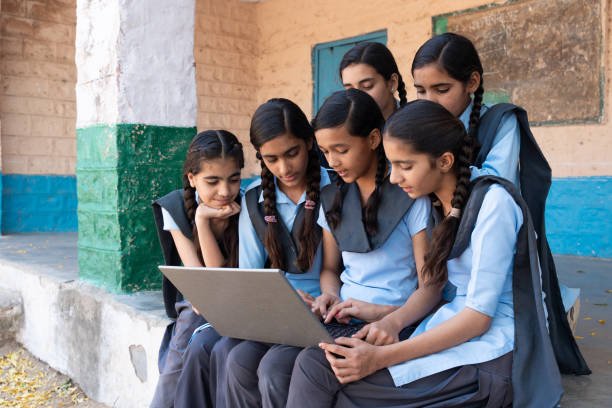
Education is one of the areas where digital inequality can become particularly visible.
Students can use the internet to access online lessons, digital textbooks, research materials, educational videos, online libraries, learning platforms, and communication tools.Students without reliable access may find it harder to use these resources.
UNESCO has reported that reliable connectivity and access to technology remain important barriers to equitable digital education. Its recent work also emphasizes that school connectivity alone is not enough; devices, teacher capacity, digital skills, suitable learning resources, and affordability matter as well.
This does not mean that internet access automatically produces better educational outcomes. Good teachers, quality schools, learning materials, electricity, devices, and supportive learning environments remain essential.The internet is a tool for education, not a substitute for the entire education system.
How Limited Internet Access Affects Jobs and Businesses
The digital divide can also affect economic opportunities.
Many jobs now involve online communication, digital applications, software, or internet-based services. People with reliable internet may have access to opportunities that are difficult to reach for those who remain poorly connected.
Businesses increasingly use the internet for:
- Advertising
- Online sales
- Customer communication
- Digital payments
- Market research
- Business software
- Remote work
- Access to wider markets
Small businesses in poorly connected areas may have difficulty reaching customers outside their local communities.
The World Bank describes digital infrastructure as an important part of modern economic activity and reports that digital connectivity can support employment, commerce, and economic growth.This is one reason the digital divide is not only a technology issue. It can also influence economic opportunity.
The Digital Gender Divide
The digital divide can also exist between men and women.
ITU estimated that in 2025, 77% of men worldwide used the internet compared with 71% of women. That represented roughly 280 million more men than women using the internet globally.
The difference is not the same everywhere.Barriers can include affordability, access to devices, education, digital skills, social conditions, and concerns about online safety.
The gender gap has narrowed in some regions, while significant differences remain in others. ITU reported a global gender parity score of 0.92 in 2025, with larger gaps in some lower-income regions.This shows why closing the digital divide requires attention to different groups rather than treating all users as having the same circumstances.
How Geography, Conflict and Natural Disasters Affect Connectivity
- The internet depends on physical infrastructure, which means it can be affected by events in the physical world.
- Mountains, deserts, islands, and remote settlements can make construction difficult.
- Natural events such as floods, earthquakes and storms can damage cables, towers, power systems and other infrastructure.
- Conflict can also damage communication networks and electricity infrastructure, potentially disrupting access to essential services.
- Submarine cables demonstrate how physical damage can affect digital systems. ITU reports that cable infrastructure faces risks from natural hazards and accidental human activity, and disruptions can affect communication, finance, education, healthcare and other services.
- Connectivity therefore depends not only on having enough technology but also on making infrastructure resilient.
What Governments and Organizations Are Doing
- Governments and international organizations are using several approaches to improve connectivity.
- These include rural broadband programs, infrastructure investment, public-private partnerships, community networks, school connectivity programs, digital-skills training, public Wi-Fi, affordable-device initiatives, and satellite connectivity.
- The World Bank is supporting countries with investments in digital infrastructure and efforts to connect people in hard-to-reach locations.
- UNESCO also works on digital education and school connectivity, emphasizing the need for affordable access, appropriate devices, digital skills, and teacher capacity.
- The ITU’s work on universal and meaningful connectivity focuses on infrastructure, affordability, skills, devices, quality, and security rather than simply counting whether people have an internet connection.
- The exact approach needs to vary by country and community because connectivity problems are different in different places.
Technology That Could Expand Internet Access
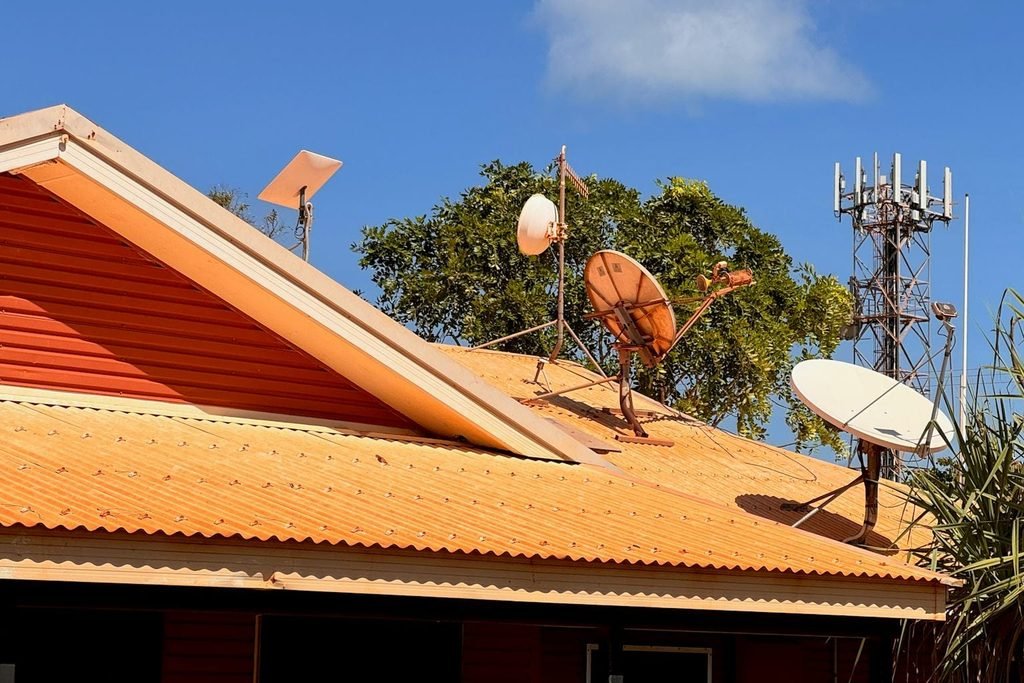
Several technologies can help connect communities that are difficult to reach.
- Fiber optics: Fiber can provide high-capacity, fast and reliable connections, but construction can be expensive in remote areas.
- 4G and 5G: Mobile networks allow people to connect through smartphones and other wireless devices. ITU reported that 5G covered more than half of the world’s population in 2025, although coverage remained concentrated in higher-income countries.
- Fixed wireless access: Wireless systems can provide broadband without requiring a fiber connection directly to every home.
- Low-Earth-orbit satellites: Satellite systems can provide connectivity in locations where terrestrial infrastructure is difficult to build.
- Community networks: Locally managed networks can provide connectivity to communities that may not immediately attract conventional commercial infrastructure.
- No single technology can solve the global digital divide by itself. The appropriate solution depends on geography, population density, cost, energy availability, existing infrastructure, and local needs.
Challenges in Closing the Digital Divide
Closing the digital divide is a long-term challenge.
Building infrastructure requires investment. Keeping services affordable requires viable business models and appropriate policies. People need suitable devices and digital skills. Networks also need reliable electricity and ongoing maintenance.
Other issues include:
- High infrastructure costs
- Device affordability
- Rural connectivity
- Digital skills
- Data security
- Maintenance
- Unequal investment
- Policy and regulatory barriers
Another challenge is that technology changes quickly. A community that receives one generation of connectivity today may need additional investment in the future as user needs increase.
The goal therefore cannot simply be to build a network once. It is to create connectivity that is reliable, affordable, useful, secure, and capable of meeting future needs.
The Future of Global Internet Connectivity
- Internet access is likely to continue expanding, but closing the remaining gap may be more difficult than connecting the first large majority of people.
- Future developments could include wider broadband coverage, more affordable devices, improved satellite services, rural network expansion, better digital education, stronger infrastructure, and more inclusive digital policies.
- At the same time, the definition of meaningful connectivity will continue to evolve as internet services become more data-intensive.
- ITU’s latest global connectivity work emphasizes that future progress depends not only on network availability but also on quality, affordability, devices, skills, and security.
- This means that the future of connectivity is about more than simply getting people online.
- It is about making sure people can actually benefit from being online.
Conclusion: What It Will Take to Close the Digital Divide
The digital divide is one of the world’s major technology and development challenges.
Although around 6 billion people were online in 2025, about 2.2 billion people remained offline. Even among people who are connected, differences in speed, reliability, affordability, devices, skills, and security mean that internet access is not equally useful for everyone.Closing this gap requires more than building mobile towers or laying cables.
It requires:
- Reliable infrastructure
- Affordable internet services
- Suitable devices
- Digital education and skills
- Reliable electricity
- Safe online environments
- Long-term investment
- Policies that support inclusion
The digital divide is therefore not simply a question of who has internet and who does not.It is about whether people can use digital technology meaningfully, affordably, reliably, and safely.As education, employment, business, communication, and public services become increasingly digital, reducing these gaps will remain an important part of building a more connected world.
Frequently Asked Questions About the Digital Divide
- What is the digital divide?
- The digital divide is the gap between people and communities that can access and use digital technologies effectively and those that cannot.
- How many people are still offline?
The ITU estimated that about 2.2 billion people remained offline in 2025, while around 6 billion people were online. - Why do rural areas often have less reliable internet?
Rural areas can be more difficult and expensive to connect because populations are spread out, infrastructure distances are greater, and terrain can make construction more difficult. - Why is internet access expensive in some countries?
Costs can be affected by income levels, infrastructure, competition, taxes, investment, geography, and the cost of operating networks. - What is the urban-rural digital divide?
It is the difference in internet access and use between people living in urban and rural areas. Globally, ITU estimated internet use at 85% in urban areas compared with 58% in rural areas in 2025. - How does the digital divide affect education?
Students without reliable internet or suitable devices may have less access to online learning materials, digital libraries, educational platforms, and other resources. UNESCO emphasizes that connectivity must be combined with devices, skills, suitable content, and teacher support. - How does the digital divide affect jobs and businesses?
Limited connectivity can make it harder to apply for online jobs, work remotely, advertise products, use digital payments, communicate with customers, and reach wider markets. - Is there a gender digital divide?
Yes. ITU estimated that 77% of men and 71% of women worldwide used the internet in 2025. - Can satellites help connect remote communities?
Yes. Satellite connectivity can help provide internet access in locations where conventional terrestrial infrastructure is difficult or expensive to build. However, cost, capacity, equipment, and other technical factors still matter. - How can governments help close the digital divide?
Governments can support infrastructure investment, rural connectivity, competition, affordability, school connectivity, digital-skills programs, community networks, and policies that encourage inclusive access.
References
- International Telecommunication Union, Facts and Figures 2025: https://share.google/M4wnuQTWvz2UBgMKQ
- International Telecommunication Union, Internet Use, 2025: https://share.google/OdombelwwZKSu6ehp
- International Telecommunication Union, Affordability of ICT Services / Global Connectivity Report, 2025: https://share.google/uObiClnSA4cjw9iFP
- UNESCO, Digital transformation and connectivity in education: https://share.google/VD0lXY0qhi44CCwE9
- World Bank, Digital Infrastructure, Jobs and Economic Growth: https://share.google/a3i5OPBiXkAKMBxJe
Thank You for Visiting…!
Visit again & again…!
Have a Nice Day..!

