
Introduction
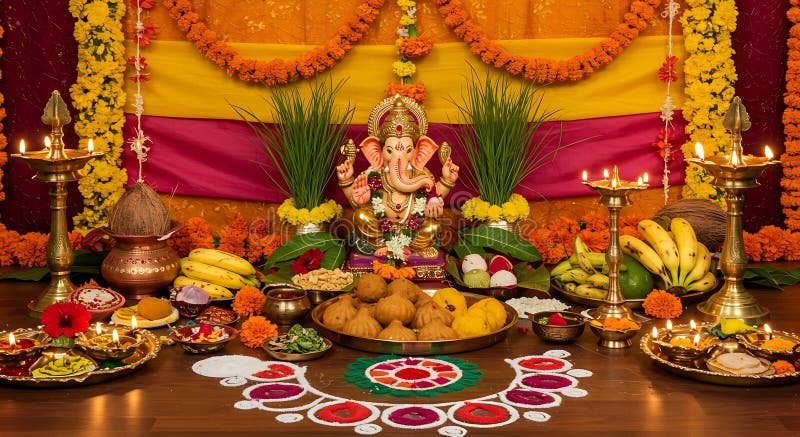
Ganesh Chaturthi is one of India’s most widely celebrated festivals, bringing together religious devotion, family traditions, art and community celebrations. Although public Ganeshotsav is strongly associated with Bal Gangadhar Tilak, the worship of Lord Ganesha and Ganesh Chaturthi traditions existed long before his involvement. This article explores how the festival was celebrated in earlier times, how Tilak helped transform it into a major public celebration in the 1890s, why Ganesh Chaturthi is celebrated, and how the tradition has evolved into today’s large-scale celebrations featuring some of India’s most notable Ganesh idols.
Why Is Ganesh Chaturthi Celebrated? Understanding Its Meaning and Significance
Ganesh Chaturthi is celebrated on the fourth day of the waxing moon in the Hindu month of Bhadrapada, usually during August or September. Celebrations may last for one and a half days, several days, or up to 11 days, ending with the immersion of the Ganesha idol.
Lord Ganesha is traditionally worshipped as Vighnaharta, the remover of obstacles, and Sukhkarta, the giver of happiness. He is also associated with wisdom, knowledge, prosperity and auspicious beginnings. Because of these beliefs, devotees often consider Ganesh Chaturthi an important occasion to seek blessings before starting a new business, project, academic journey or other important activity.
The festival is also a time for families and communities to come together through prayers, aarti, cultural activities and shared celebrations. The final immersion, known as Ganesh Visarjan, marks the conclusion of the festivities and carries a traditional message about the temporary nature of the physical form and the continuing spiritual significance of devotion.
The Ancient History of Ganesh Worship and Ganesh Chaturthi
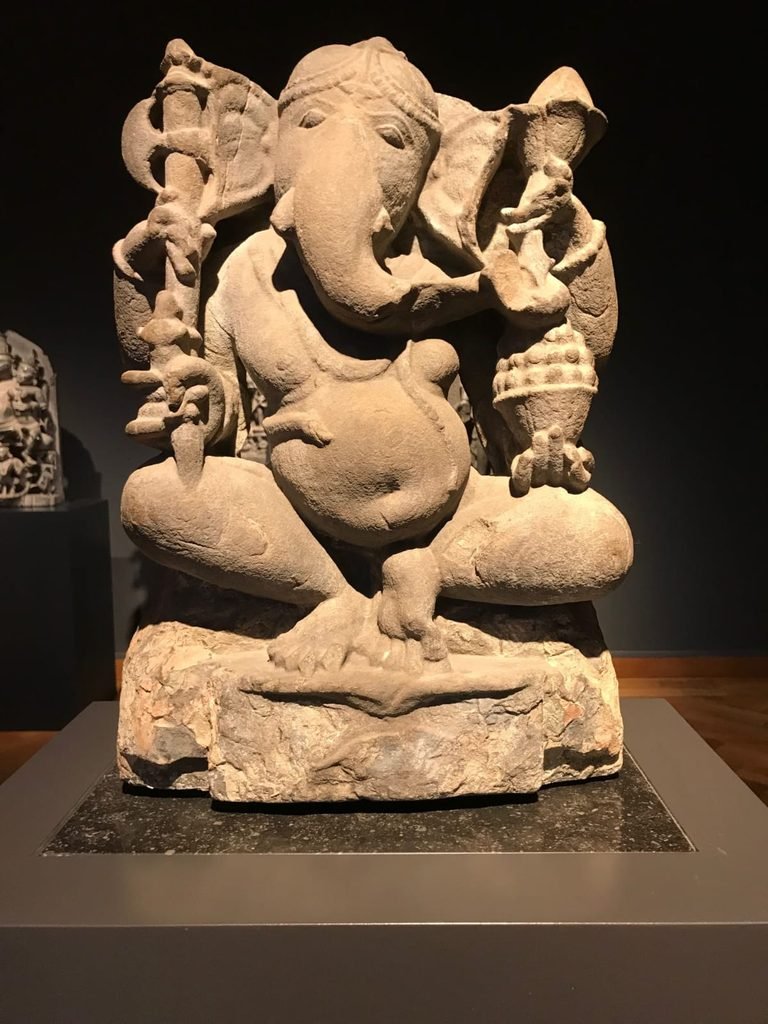
The history of Ganesha worship developed gradually over many centuries. Historical sculptures and inscriptions show that Ganesha had become an important deity in India by the early centuries of the Common Era, with his image appearing in different regions and artistic traditions. Museums such as the British Museum and The Metropolitan Museum of Art preserve early representations of Ganesha dating back to the 4th–7th centuries, showing the long development of his worship and iconography.
Over time, Ganesha became widely associated with wisdom, prosperity, auspicious beginnings and the removal of obstacles. His worship spread across different parts of India and later beyond the subcontinent. Ganesh Chaturthi also developed through regional and family traditions, eventually becoming the large public festival that is especially associated with Maharashtra in the modern era.
How Ganesh Chaturthi Was Celebrated Before Bal Gangadhar Tilak
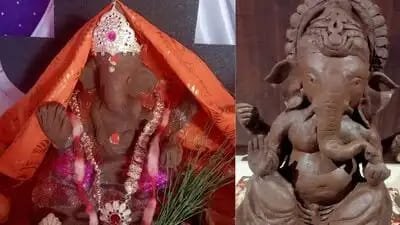
Before Tilak’s public Ganeshotsav movement of the 1890s, Ganesh Chaturthi was already observed in Maharashtra through household and community traditions. Families installed Ganesha idols, conducted prayers and devotional activities, and later immersed the idol. Historical accounts also show that public or community celebrations existed in some places before Tilak, so the festival was not simply a private tradition everywhere.
By the late 19th century, however, the form of the festival varied considerably by place and community. Tilak’s major contribution in the 1890s was to expand and organize public Ganesh celebrations on a much larger scale, helping turn them into a prominent community festival.
Ganesh Chaturthi During the Maratha and Peshwa Period
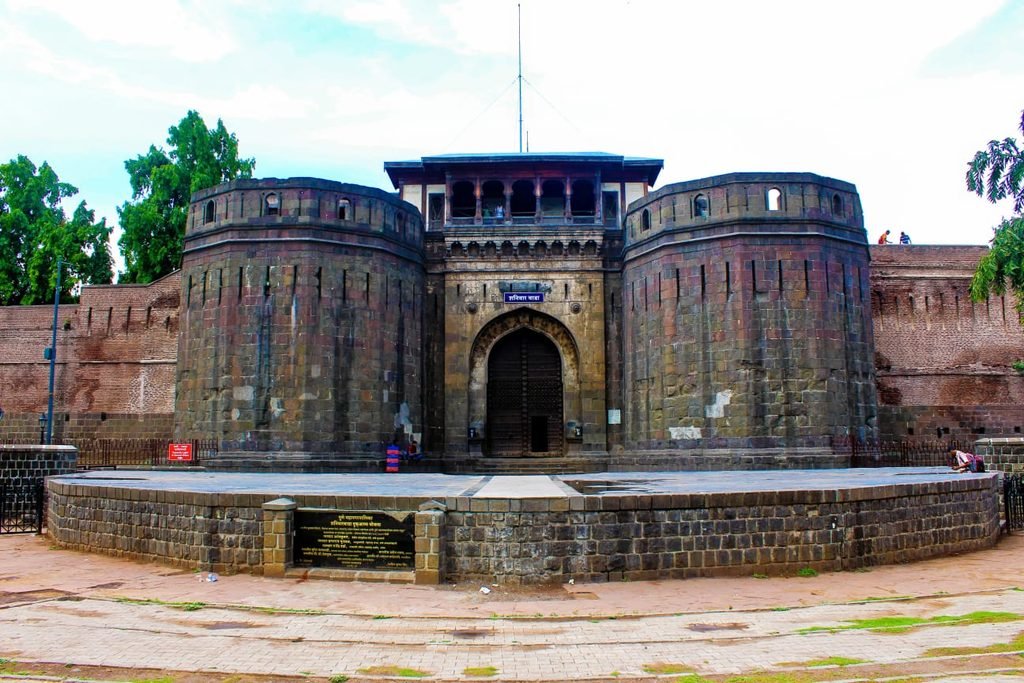
Ganesh worship had a particularly strong connection with Pune during the Maratha and Peshwa periods. Historical records from the Peshwa period describe elaborate Ganeshotsav celebrations, including festivities at Shaniwar Wada. During this period, celebrations included religious programmes such as kirtans and other devotional activities, while court celebrations could also feature musicians and dancers.
Under Sawai Madhavrao, celebrations at the Ganesh Mahal in Shaniwar Wada became especially elaborate. Historical accounts describe the idol being carried in a decorated palanquin for immersion on the final day. Ganesh celebrations were also observed in other households and local communities during this period.
The Peshwa period therefore represents an important stage in the development of Ganeshotsav in Maharashtra, but it should not be described as the period when public Ganesh Chaturthi was invented. Bal Gangadhar Tilak later helped expand and organize public Ganesh celebrations on a much larger scale in the 1890s.
Bal Gangadhar Tilak and the Transformation of Ganesh Chaturthi in the 1890s
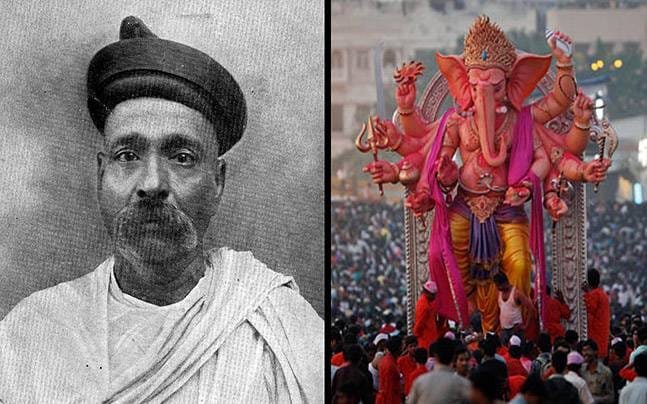
In the 1890s, Bal Gangadhar Tilak played an important role in transforming Ganesh Chaturthi from primarily household and regional observances into a large public celebration. Maharashtra Tourism places this transformation in 1893. Tilak encouraged communities to organize public Ganeshotsav, creating opportunities for people to gather for religious, cultural and social activities. The festival also became a means of encouraging social unity and public awareness during the period of the Indian freedom movement.
The Rise of Public Ganeshotsav: From Homes to Community Celebrations
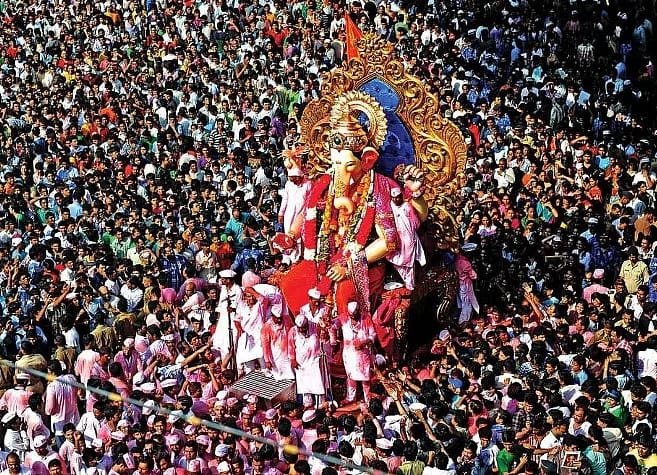
Before the rise of public Ganeshotsav, Ganesh Chaturthi was widely observed as a family festival, with households installing and worshipping Ganesha idols before immersion. During the 1890s, public celebrations expanded, bringing larger groups of people together through common worship and cultural activities. Over time, public Ganeshotsav developed into organized community celebrations featuring decorations, music, artistic performances, processions and social programmes.
How Ganesh Chaturthi Became a Major Public Festival Across India
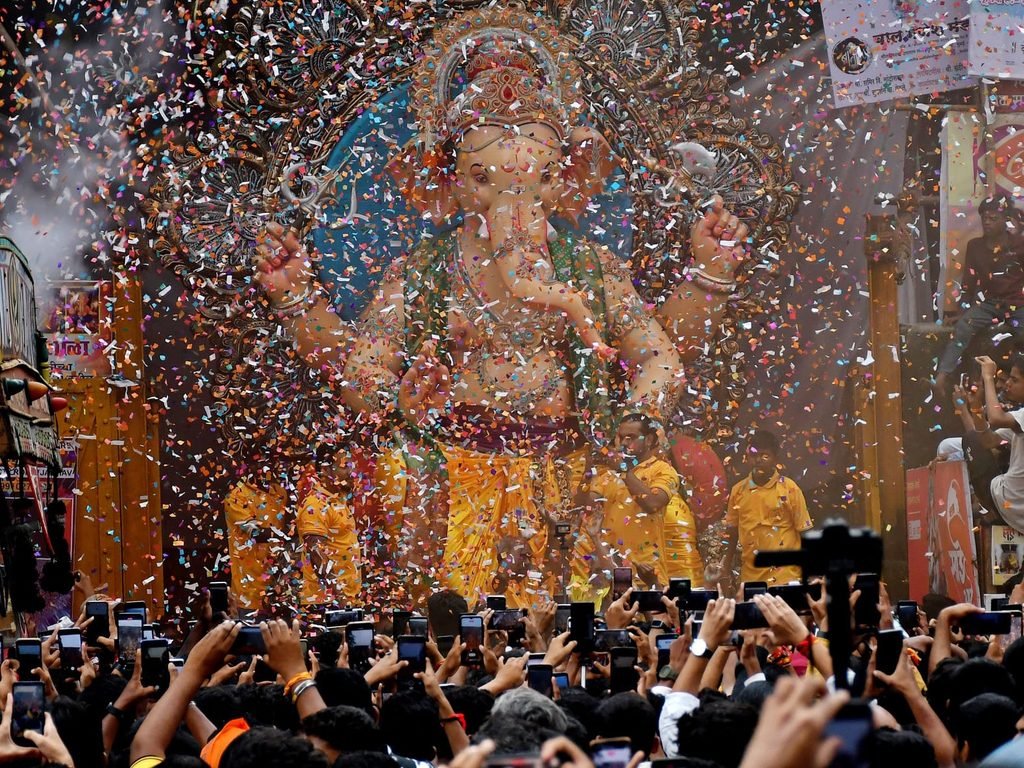
Ganesh Chaturthi grew into a major public festival through the expansion of organized community celebrations, particularly after public Ganeshotsav became prominent in Maharashtra during the 1890s. Large public idols, pandals, processions, prayers, music and cultural programmes helped make the festival a shared community occasion rather than only a household celebration.
Over time, Ganesh Chaturthi became popular in many other parts of India, where communities combined the festival with their own regional customs. Today, major celebrations are found in states including Maharashtra, Karnataka, Goa, Gujarat, Madhya Pradesh, Andhra Pradesh and Telangana. In places such as Telangana and Goa, the festival has developed distinctive local traditions while retaining the central practice of worshipping Ganesha and celebrating with family and community.
The growth of cities, migration of communities and wider cultural exchange also helped carry regional celebrations to new places. As a result, Ganesh Chaturthi today represents both a religious tradition and a diverse public cultural celebration across India.
The Richest Ganpati Celebrations: Gold, Silver and Modern Grandeur
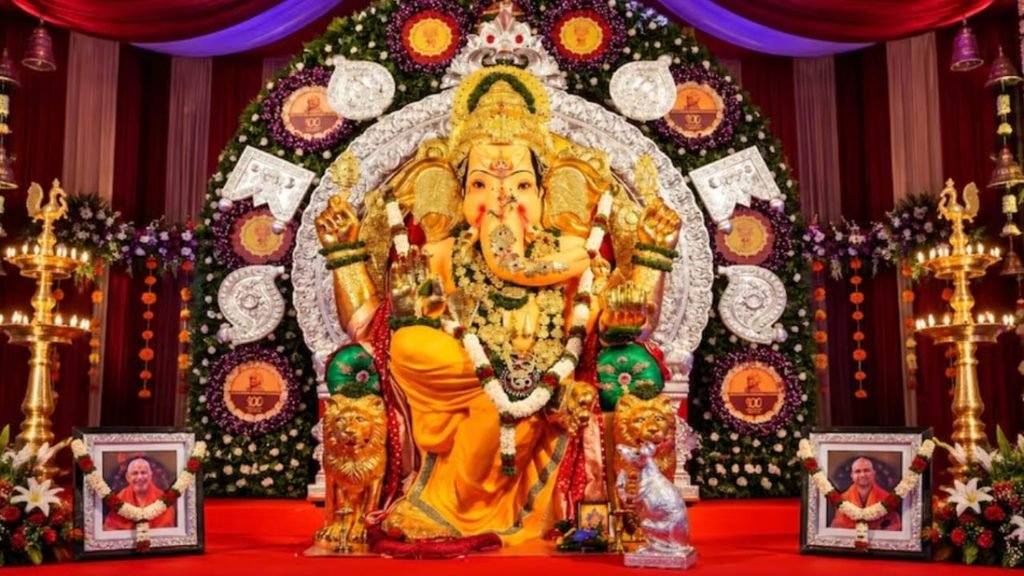
Some Ganpati celebrations in India are known for the large quantities of gold, silver and other valuable ornaments used in their decorations. One prominent example is the Mahaganapati of GSB Seva Mandal at King’s Circle in Mumbai. The organization describes its idol as India’s richest Ganesh idol and says it is decorated with more than 66 kg of gold and more than 325 kg of silver, along with other precious items. The mandal has been celebrating Ganeshotsav since 1955, when it began with a much smaller idol.
The scale of such celebrations is not only about the idol itself but also the large public pandals, security arrangements, volunteers and other festival activities. Because the amount of jewellery and insurance coverage can change each year, figures should always be identified with the relevant year. For example, GSB Seva Mandal’s current 2026 information confirms that its festival took place from September 14 to 18, 2026.
The Tallest Ganpati Idols: How Size Became Part of the Celebration
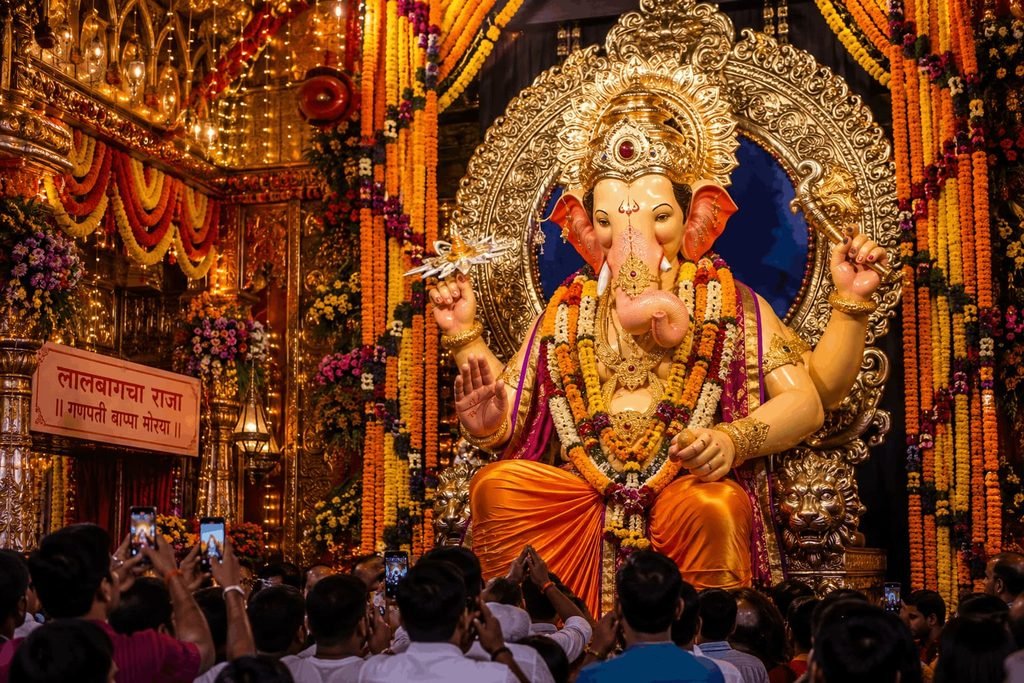
Large Ganesh idols have become an important feature of many modern public Ganeshotsav celebrations, particularly in cities where mandals compete to create distinctive and visually striking installations. In Mumbai, for example, some mandals have steadily increased the height of their idols over recent years. Reports from 2026 describe a 45-foot idol at Khetwadi and a 42-foot Sakinakyacha Maharaja in Andheri East, with the respective organizers making claims about their height and status.
The growth in idol size reflects a combination of artistic ambition, community participation and the desire to attract visitors. However, there is no single permanent “tallest Ganpati in India” title because new large idols are created in different places and different years. For this reason, height claims should always mention the specific year, location and source rather than being presented as a timeless record.
From Tradition to Sustainability: The Environmental Changes in Ganesh Chaturthi
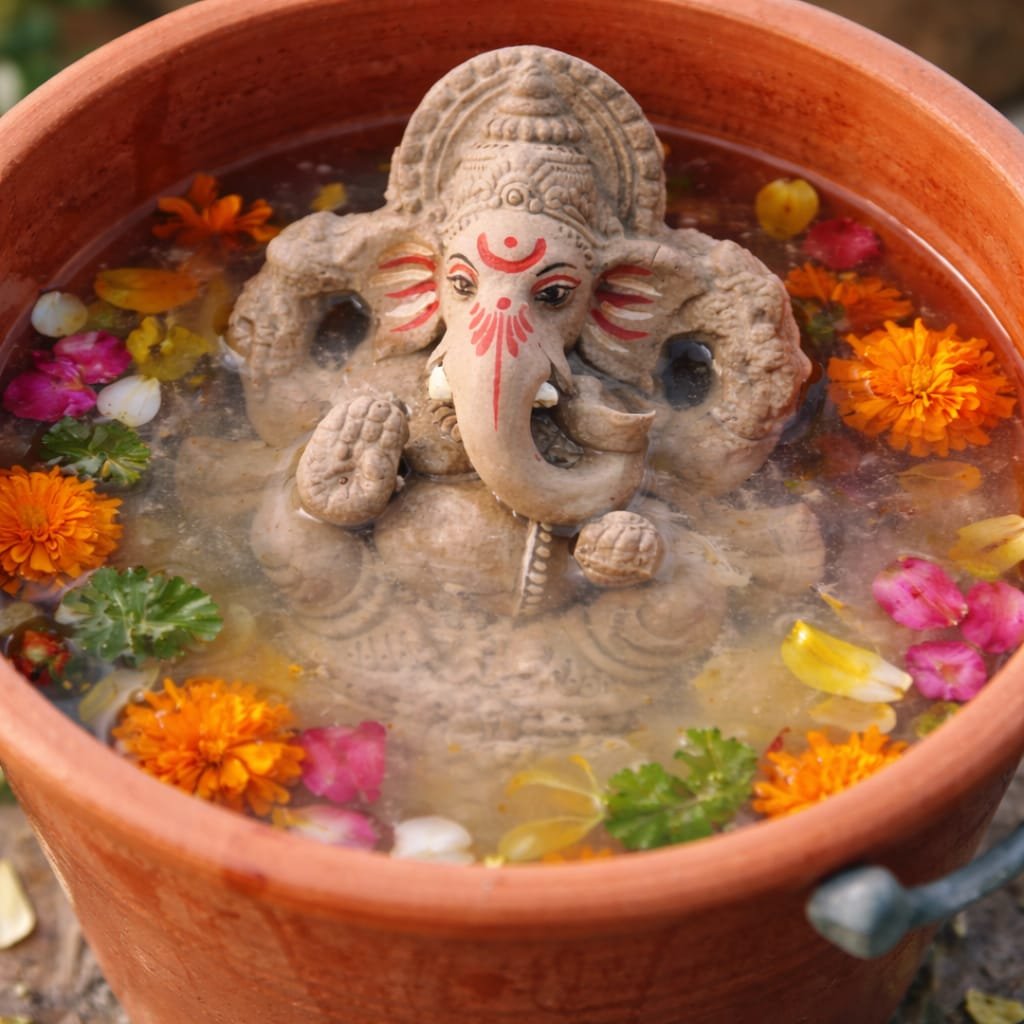
Traditionally, Ganesha idols were commonly made from natural clay and decorated with materials such as turmeric and sandalwood. With the expansion of large-scale celebrations, the use of Plaster of Paris (POP), synthetic colours, plastic and thermocol decorations became more common. The Central Pollution Control Board has noted that the immersion of such materials can affect water quality and aquatic ecosystems.
In response to these concerns, environmental awareness has increasingly become part of Ganesh Chaturthi celebrations. The CPCB recommends eco-friendly natural-clay idols, biodegradable decorations and appropriate immersion arrangements. Maharashtra has also introduced guidelines addressing POP idols and encouraging smaller idols and artificial immersion facilities.
The shift toward sustainability does not mean abandoning the tradition. Instead, many celebrations are adapting through clay idols, natural colours, reusable decorations and artificial immersion tanks. In 2026, for example, the Maharashtra Governor’s residence used an eco-friendly shadu-clay idol and an artificial immersion tank, demonstrating one way traditional worship can be combined with environmental responsibility.
One of the major environmental concerns associated with modern Ganesh Chaturthi celebrations is the use of Plaster of Paris (POP) idols and artificial chemical colours. POP does not dissolve easily in water, while some synthetic paints and colours can release substances that affect water quality and aquatic life after idol immersion. These concerns have increased awareness about the importance of using natural clay idols and environmentally safer colours during the festival.
Ganesh Chaturthi Today: Tradition, Community and Cultural Evolution
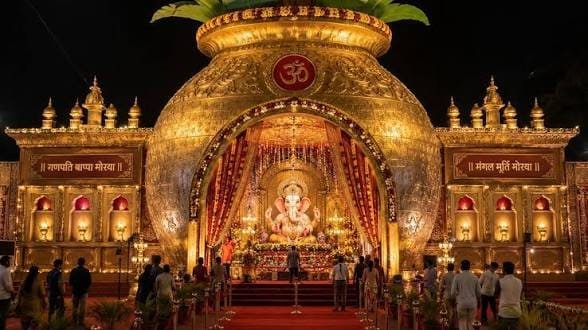
Ganesh Chaturthi continues to combine religious devotion, family traditions and community participation. Today, Ganesha idols are installed both in homes and in public pandals, where people gather for prayers, aartis, music, cultural programmes and social activities. In Maharashtra, the festival remains particularly prominent, while celebrations are also an established part of traditions in several other parts of India.
Over time, the festival has also developed beyond worship alone. Many community groups organize cultural events, charitable activities and social-service programmes, while growing environmental awareness has encouraged the use of clay idols, natural colours and more sustainable immersion practices.
Today, Ganesh Chaturthi reflects how a long-standing religious tradition can evolve with changing communities and cities while retaining its central themes of devotion, togetherness, culture and new beginnings. The continued participation of different generations helps preserve the festival while allowing its celebrations to adapt to contemporary life.
Conclusion: How Ganesh Chaturthi Evolved Through the Centuries
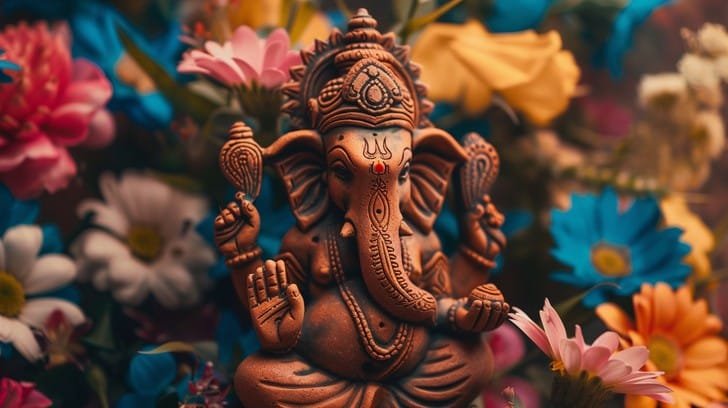
From traditional household worship to grand public celebrations, Ganesh Chaturthi has travelled through centuries of social and cultural change while preserving its deep connection with Lord Ganesha. The festival grew through different historical periods, including the Maratha and Peshwa era, and was transformed on a much larger public scale during the 1890s with Bal Gangadhar Tilak’s efforts.
Today, the sound of aarti, the creativity of public pandals and the gathering of families and communities show how deeply Ganesh Chaturthi has become part of India’s cultural life. At the same time, growing awareness of pollution from POP idols and artificial colours is encouraging more environmentally responsible celebrations. Its story is therefore not only about the past—it is about how tradition continues to adapt, bringing faith, culture, community and a changing India together in one celebration.
Frequently Asked Questions
- Why is Ganesh Chaturthi celebrated?
Ganesh Chaturthi commemorates Lord Ganesha and is associated with wisdom, prosperity, auspicious beginnings and the removal of obstacles. - Was Ganesh Chaturthi started by Bal Gangadhar Tilak?
No. Ganesh Chaturthi existed before Tilak. In the 1890s, Tilak played an important role in expanding and organizing large public Ganeshotsav celebrations. - How was Ganesh Chaturthi celebrated before Tilak?
It was widely observed through household and regional traditions, including installing Ganesha idols, offering prayers and conducting immersion ceremonies. There were also community celebrations in some places before Tilak’s public movement. - What was the role of the Peshwas in Ganesh Chaturthi?
The Peshwa period saw important and elaborate Ganeshotsav traditions in Pune, including celebrations associated with the Peshwa court at Shaniwar Wada. - When did public Ganeshotsav become prominent?
Public Ganeshotsav became particularly prominent in Maharashtra during the 1890s, when Bal Gangadhar Tilak helped organize and popularize larger community celebrations. - Why are Ganesha idols immersed after the festival?
Ganesh Visarjan marks the traditional conclusion of the celebration. The immersion is associated with the return of Ganesha to his divine abode and the temporary nature of the physical idol. - Where is Ganesh Chaturthi most famous in India?
Maharashtra is especially well known for large public celebrations, while the festival is also widely observed in states such as Karnataka, Goa, Telangana, Andhra Pradesh, Gujarat and Madhya Pradesh. - Which Ganpati is known for having large amounts of gold and silver?
The GSB Mahaganapati of GSB Seva Mandal in Mumbai is widely known for its extensive gold and silver decorations. The quantities and insurance figures can change from year to year, so the relevant year should always be mentioned. - Why are some Ganesh idols extremely tall?
Large idols have become part of modern public celebrations because of artistic expression, community participation and the desire to create distinctive festival installations. - Do POP Ganesh idols cause environmental problems?
POP idols can create environmental concerns because the material does not dissolve easily in water. Certain synthetic paints and colours can also affect water quality after immersion. This has encouraged greater use of natural clay idols and environmentally safer colours. - What is an eco-friendly Ganesh idol?
An eco-friendly idol is generally made from natural, water-soluble materials such as traditional clay and is decorated with safer, preferably natural colours and materials. - How has Ganesh Chaturthi changed over time?
The festival has evolved from long-standing religious and household traditions into large community celebrations featuring public pandals, cultural programmes, artistic idols and social activities, while environmental awareness is also influencing modern celebrations.
References
- Department of Tourism, Government of Maharashtra — Ganesh Chaturthi: https://share.google/skACk4MZXgl20dxNM
- Incredible India: https://share.google/3qxaRCrl50LOjRYjZ
- Maharashtra Government Gazetteers — Art and Culture: https://share.google/0cbDqiBvIsRSGXZMy
- The Metropolitan Museum of Art — Ganesh: https://share.google/QXAfkgLDxMkNaAQZz
- GSB Seva Mandal — Ganeshotsav Insurance Policy and Special Attractions: https://share.google/c1b2bKCEETjhIN9mZ