
The Dawn of De-Extinction
What was once considered science fiction is now becoming a scientific reality. Colossal Biosciences is pioneering de-extinction by combining advanced genetic engineering, artificial intelligence, and biotechnology. Its groundbreaking work aims to revive extinct species while driving innovation in conservation and the rapidly growing deep-tech industry.
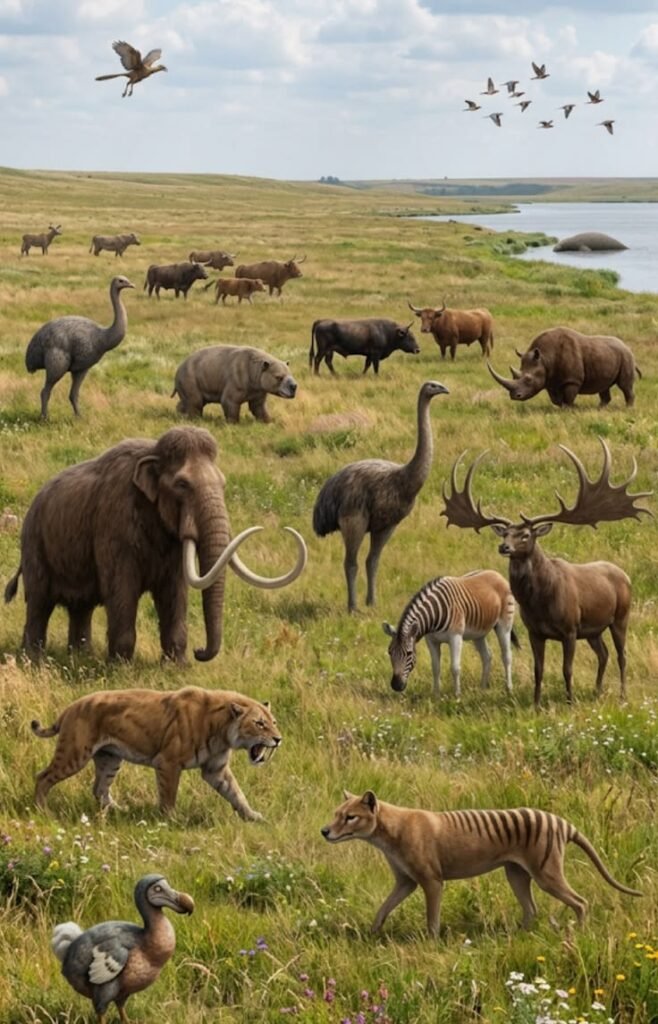
Colossal Biosciences has moved the conversation about de‑extinction from speculative science into the realm of commercial strategy. What began as a headline‑grabbing effort to “resurrect” lost species has evolved into a diversified deep‑tech company that pairs gene editing, AI, and lab automation with multiple revenue pathways—and investor interest that now targets a multibillion‑dollar valuation.
At the center of Colossal’s pitch is a simple shift: treat the tools developed for de‑extinction as broadly useful platforms. The company has begun monetizing those platforms through government contracts, international partnerships, and a string of spinouts that apply core capabilities to adjacent problems. Recent spinouts include a computational biology platform and an AI‑driven predictive modeling firm; together they demonstrate how Colossal’s intellectual property can be repackaged into standalone businesses with independent valuations.
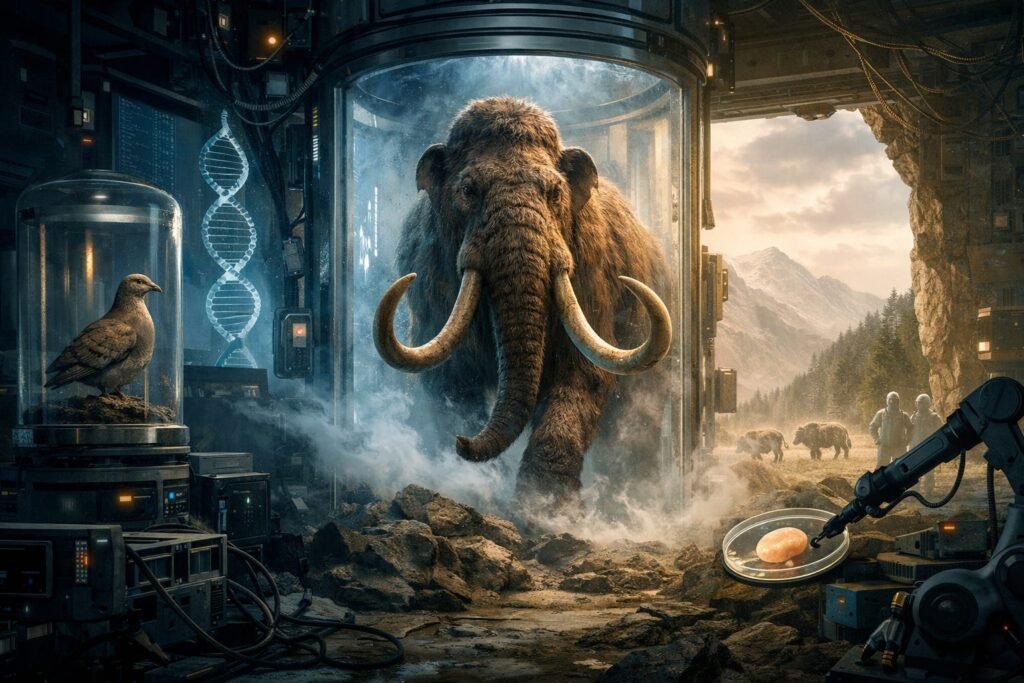
Revenue generation has changed the narrative. Where critics once dismissed de‑extinction as publicity theater, the company now points to concrete commercial traction and a growing pipeline of applied projects—everything from conservation partnerships to technologies with potential human‑health applications. That commercial momentum is a major reason investors are reportedly discussing a new funding round at a valuation far above the company’s prior mark.
Colossal’s strategy also embraces market mechanisms for conservation. If engineered or reintroduced species can deliver measurable ecosystem benefits, the company envisions new revenue streams such as biodiversity credits—an emerging market analogous to carbon credits. This approach reframes conservation as an investable asset class, but it also raises complex questions about measurement, regulation, and ecological risk. Ethics and ecology remain central to the debate. Scientific feasibility does not automatically resolve concerns about ecosystem impacts, animal welfare, or the priorities of conservation funding. Colossal’s partnerships with academic institutions and government bodies will be critical in testing whether engineered interventions can be both scientifically sound and socially acceptable.
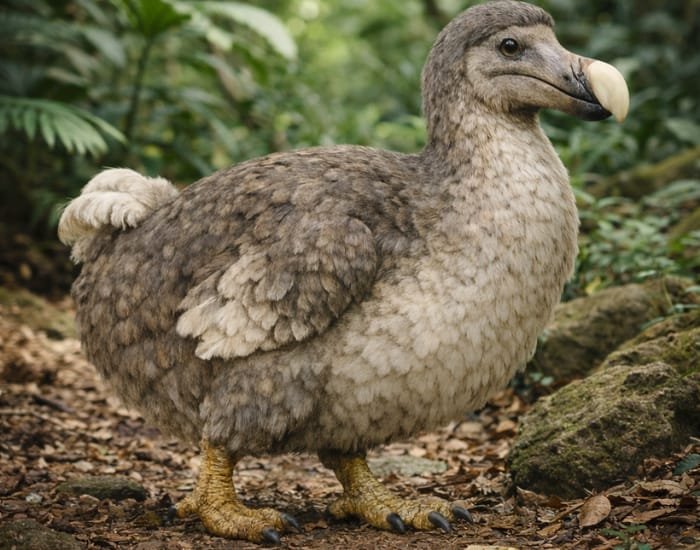
DODO : The dodo (Raphus cucullatus) was a flightless pigeon endemic to Mauritius, notable for its robust body and ground‑dwelling habits. Extinct by the late 17th century due to hunting, introduced predators, and habitat loss, it remains a symbol of human‑driven extinction.
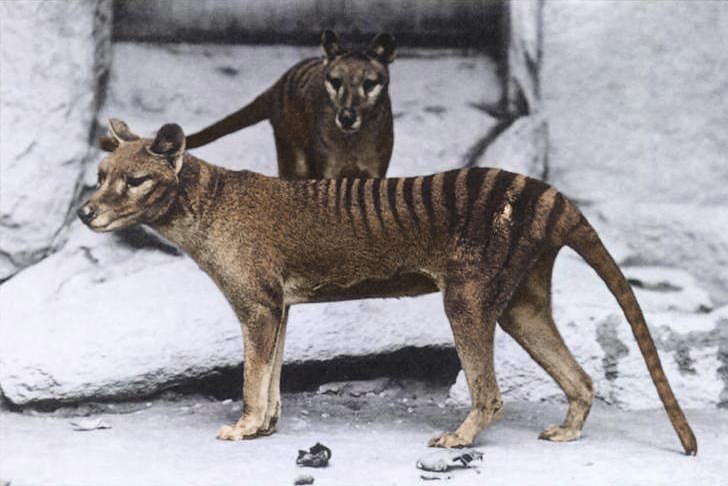
TASMANIAN TIGER : The Tasmanian tiger or thylacine (Thylacinus cynocephalus) was a carnivorous marsupial native to Australia and Tasmania, recognized by its striped lower back and doglike appearance. Extirpated by the early 20th century through hunting, habitat loss, and competition from introduced species.

WOLLY MAMOTH : The woolly mammoth (Mammuthus primigenius) was a cold‑adapted elephantid of the Pleistocene, with long curved tusks and a dense fur coat suited to tundra environments. Its decline after the last glacial maximum is attributed to climate change and human hunting, leaving rich fossil records.
For readers tracking deep‑tech investing, Colossal is a case study in how bold scientific goals can be leveraged into multiple commercial pathways. For conservationists, it is a test of whether engineered biology can complement traditional approaches. Either way, the company’s next funding moves and the pace of its scientific milestones will determine whether de‑extinction becomes a transformative platform or a high‑profile experiment.
CONCLUSION : Colossal Biosciences reframes de‑extinction as a deep‑tech commercial platform, translating ambitious genomic science into tangible products and services that extend beyond species revival. Its approach leverages cutting‑edge gene editing and synthetic biology to create tools with potential applications in conservation, agriculture, and biomedical research. This commercialization brings significant ethical, ecological, and regulatory responsibilities that demand transparent governance and multidisciplinary oversight. While market incentives can accelerate research and scale novel technologies, they also risk commodifying nature unless conservation goals remain central. Ultimately, the venture’s value will be judged by rigorous science, sustained public trust, and policies that prioritize long‑term ecosystem integrity over short‑term commercial returns.
Colossal Biosciences-Dodo project : Colossal Biosciences Dodo Project

